
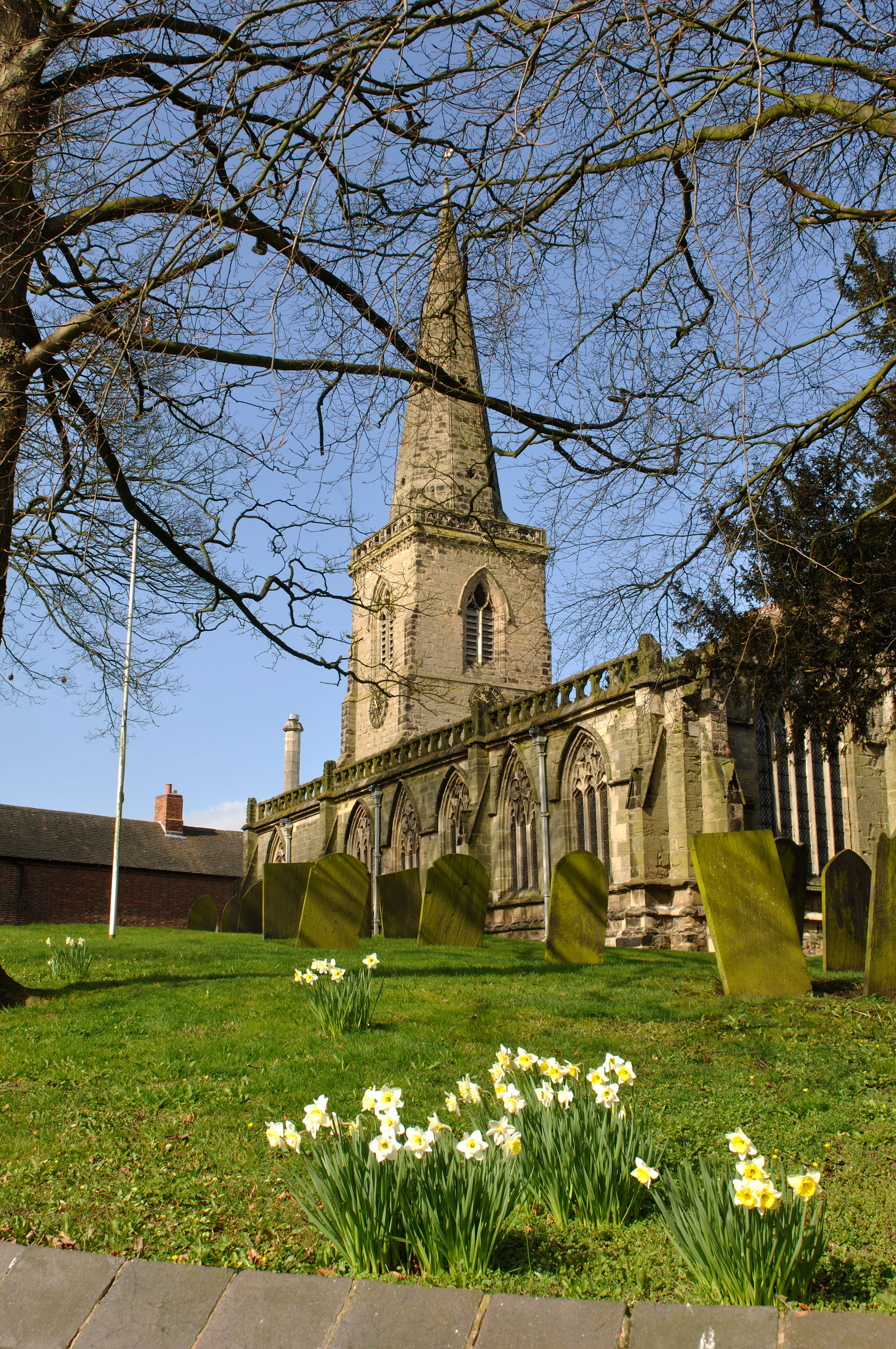
St Margaret’s Church
Welcome to our church.
Church Warden: Ian Hirons
Regular Monthly Services
1st Sunday All Age Worship 10:30am
2nd Sunday Benefice Service (rotates around the five churches) 10:30am
3rd Sunday Holy Communion 10:30am
4th Sunday Morning Worship 10:30am
5th Sunday Benefice Service (rotates around the five churches) 10:30am
1st Tuesday Said Holy Communion 6:30pm
Other Services
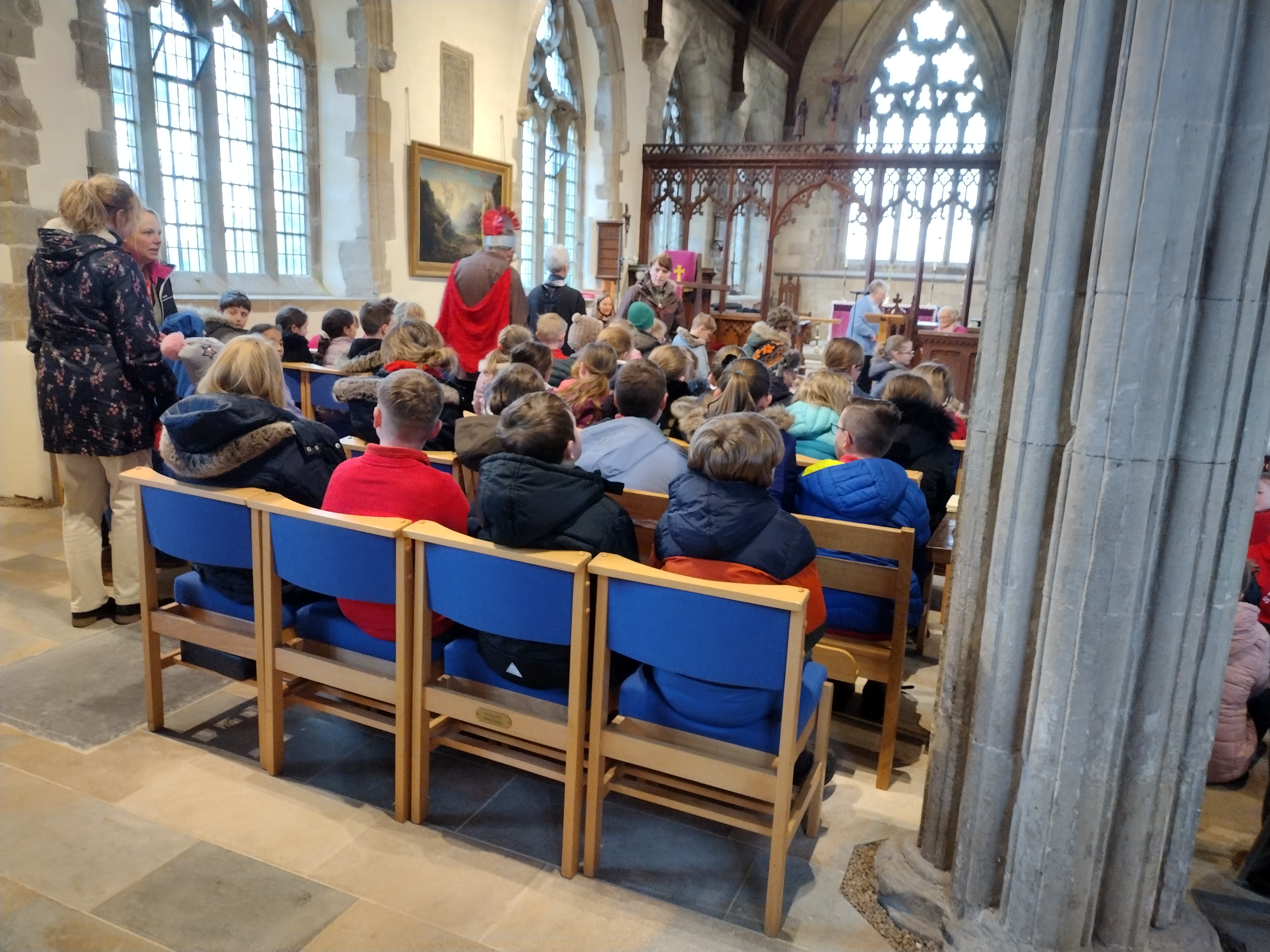
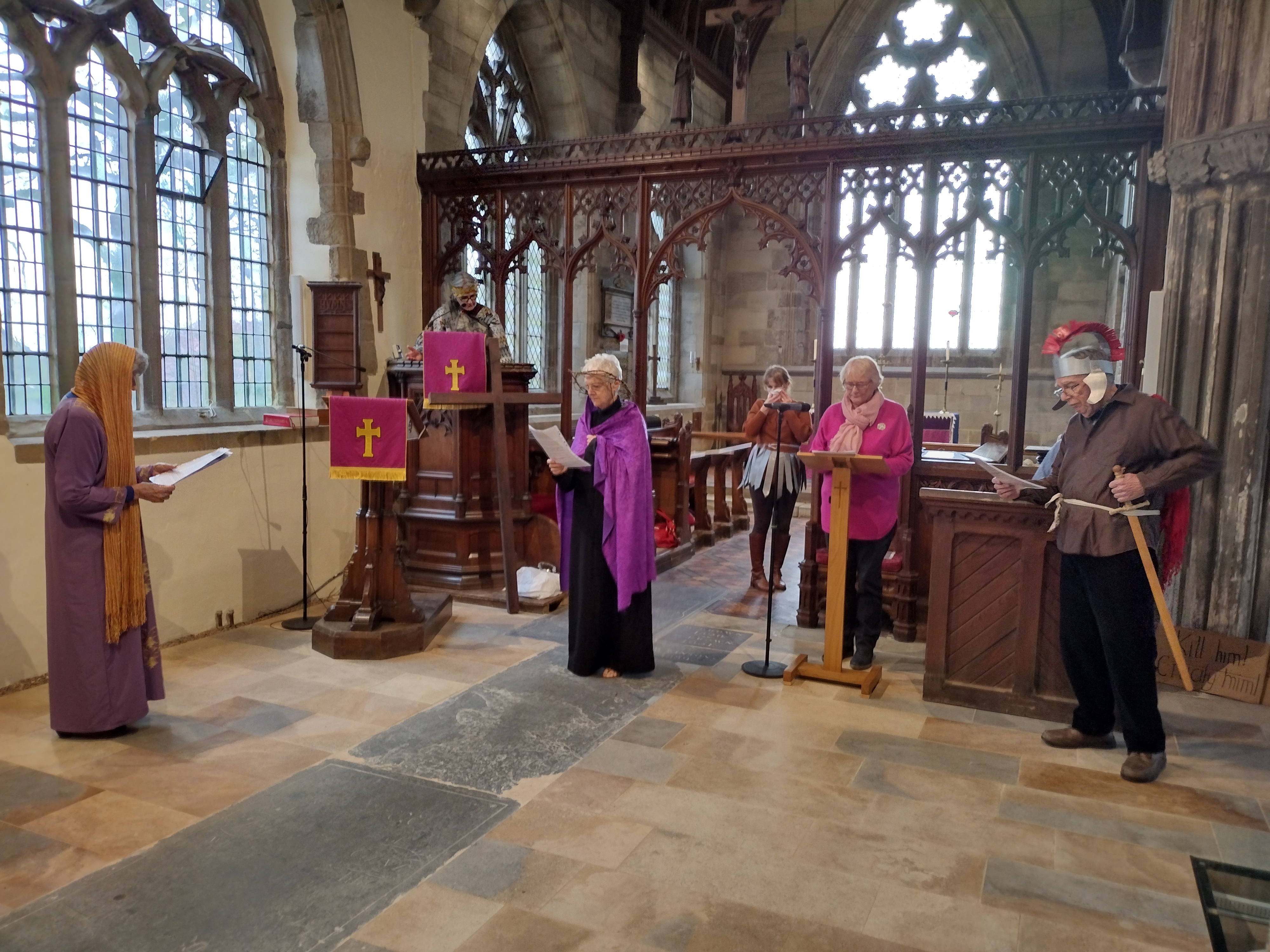
Children from St Margaret’s Primary School attend midweek services during the year: Easter, Harvest Festival, Christmas
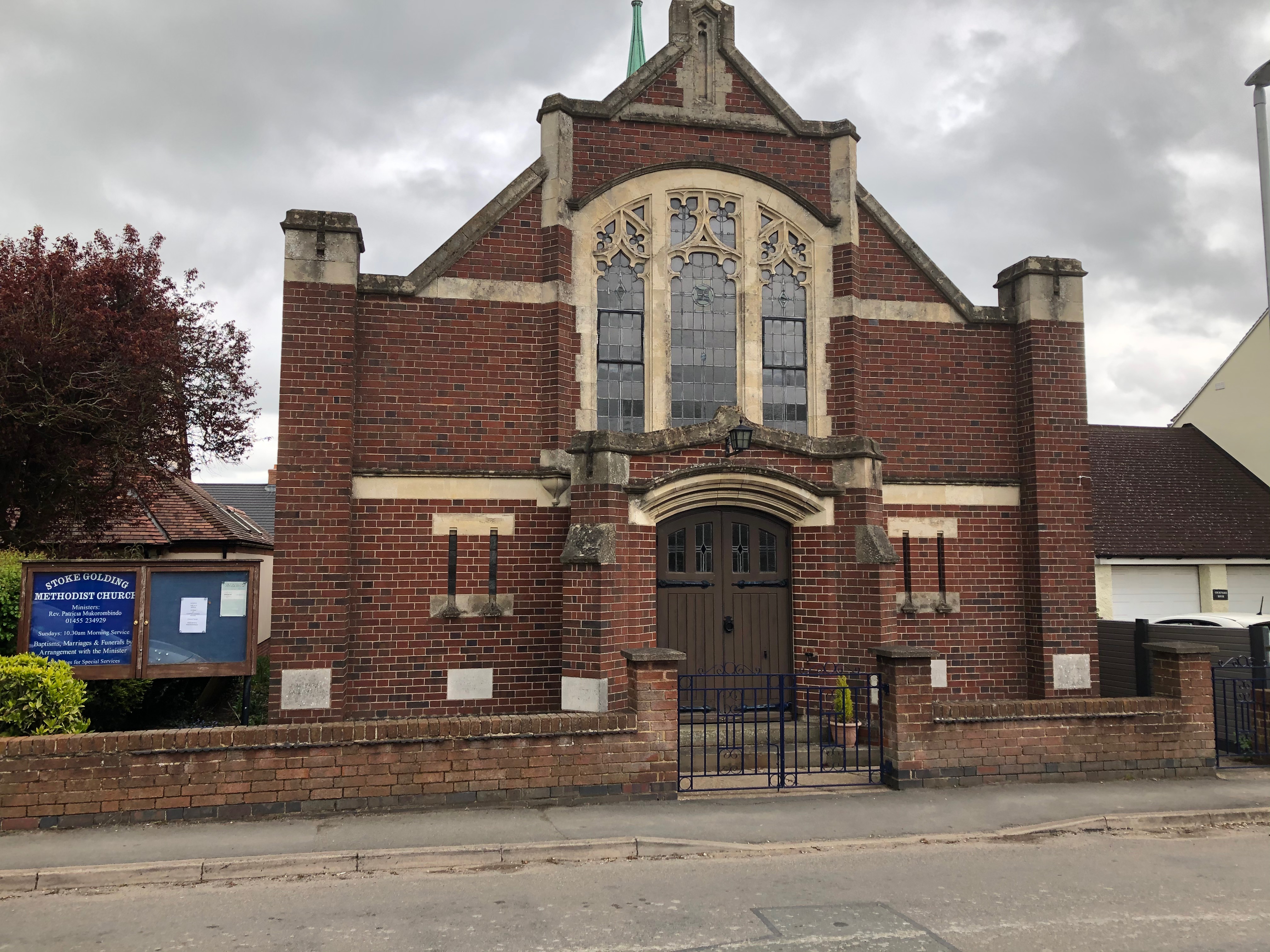
November: Remembrance Day Service shared with the Methodist Church
Early December: Christingle Service
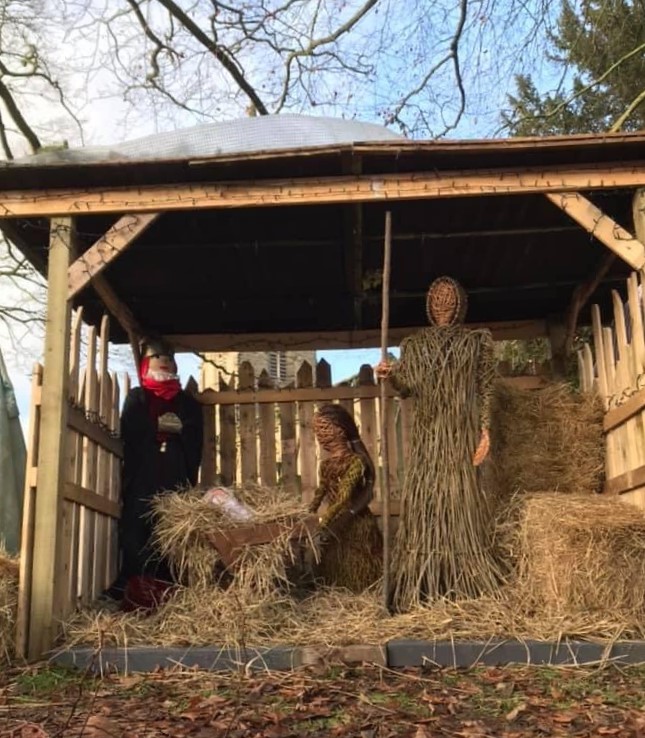
December: Crib Service
December 24/25: Midnight Service alternating with Christmas Day Service
The Village
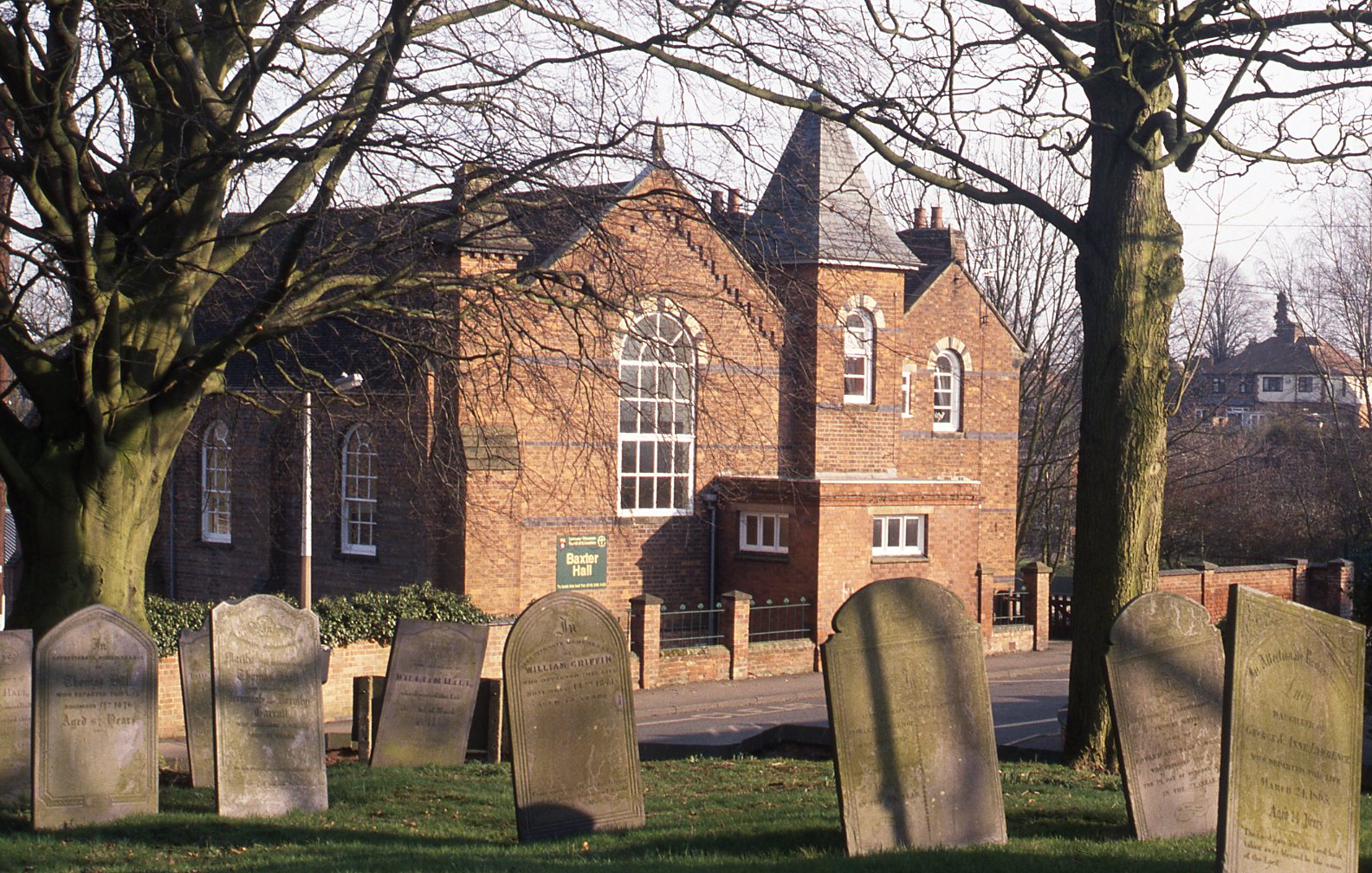
Stoke Golding is by the far the largest of the five villages in the benefice with a 2011 census population of 1,684. Within the parish are a Methodist church, a Zionist chapel along with the Church of England primary school and St Martin’s Academy, a Catholic secondary school. Other infrastructure includes a doctors’ surgery, three public houses and a club. Shops include a general store, farm shop and two hairdressers. The primary school has close ties with the church.
Life of the Church
There are a number of events that take place during the course of the year which involve parishioners, residents of the village and the wider community. These are as follows:
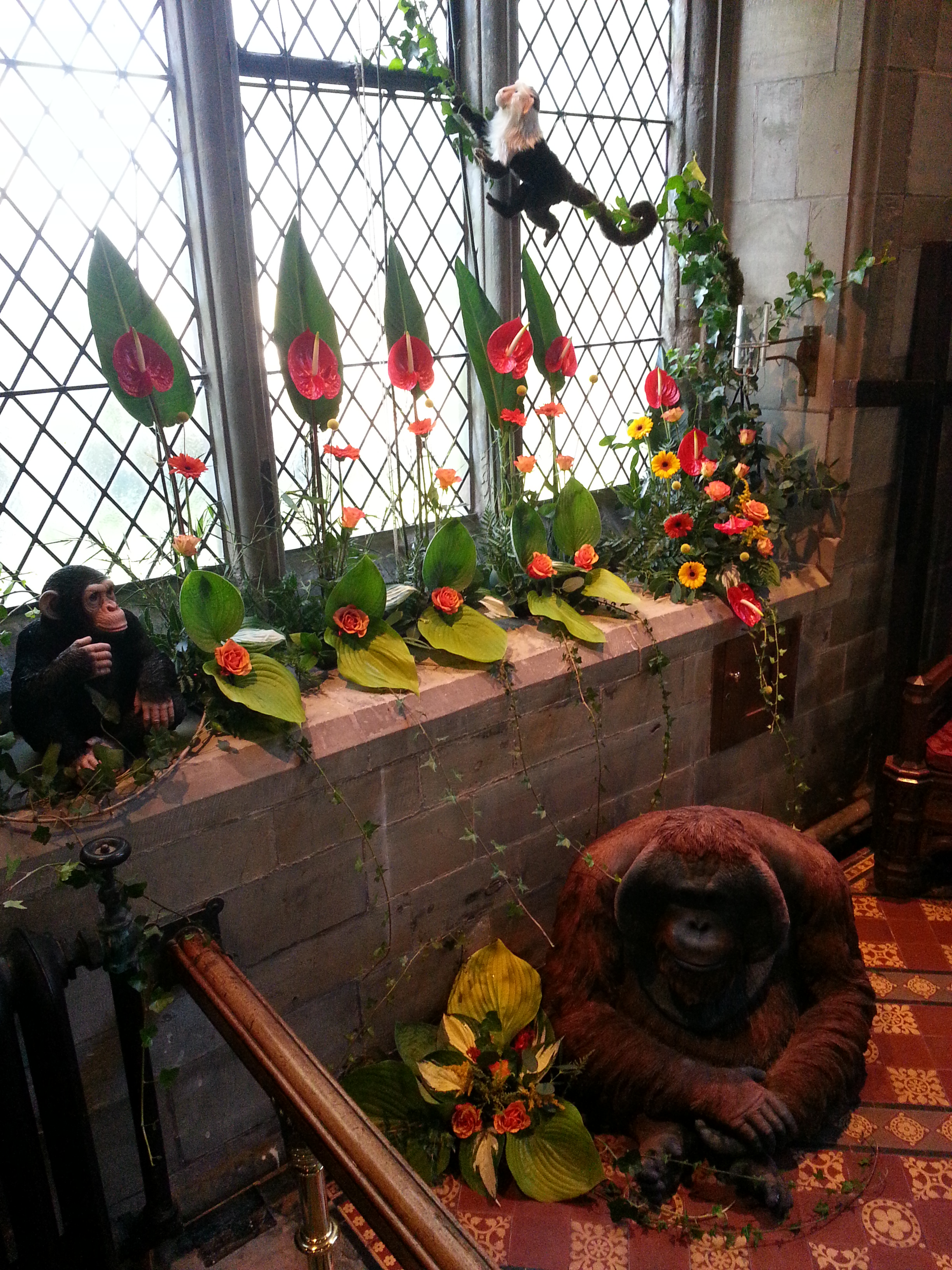
- Flower Festival: The August Bank Holiday weekend sees the church decorated with stunning displays around a common theme.
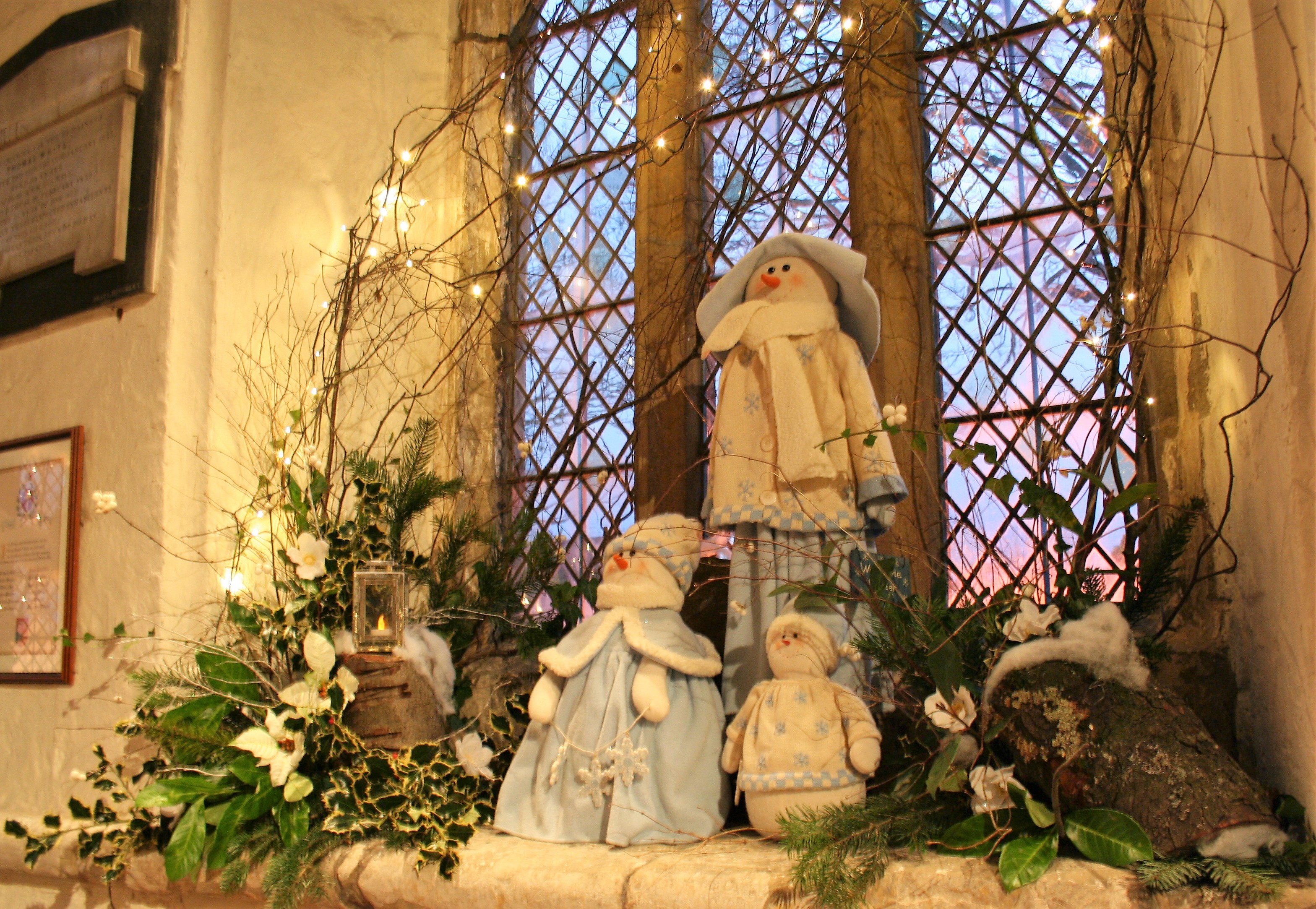
- Snowman Festival: The church is filled with snowmen constructed by parishioners and villagers.
- Heritage Open Day: This provides visitors with the chance to explore our historic church and is linked in with the annual Ride and Stride heritage fund raising event.
- The friendship, coffee and book swap group meets each week on Wednesday mornings.
- The Worship Group meets monthly to plan the All Age service.
- There is a trail around the church which was developed with the support of children from St Margaret’s Primary School.
- An outside trail around the Church has also now been established and an illustrated leaflet is available at the entrance to the churchyard.
- The Church has undergone extensive internal renovations to replace the wooden and tile floor with limestone slabs incorporating underfloor heating. External work includes renovating the carved head of Queen Philippa.
History of the Village
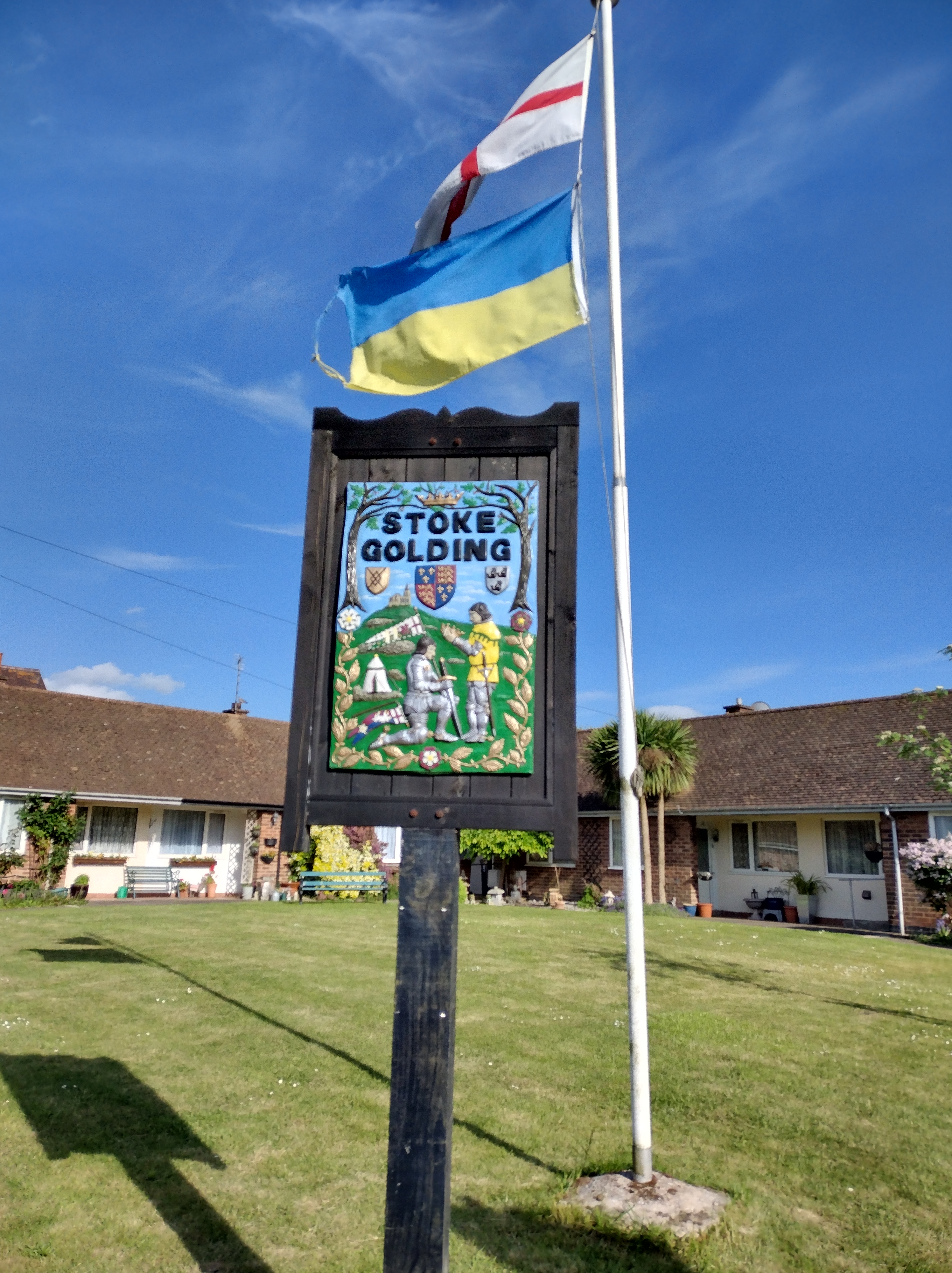
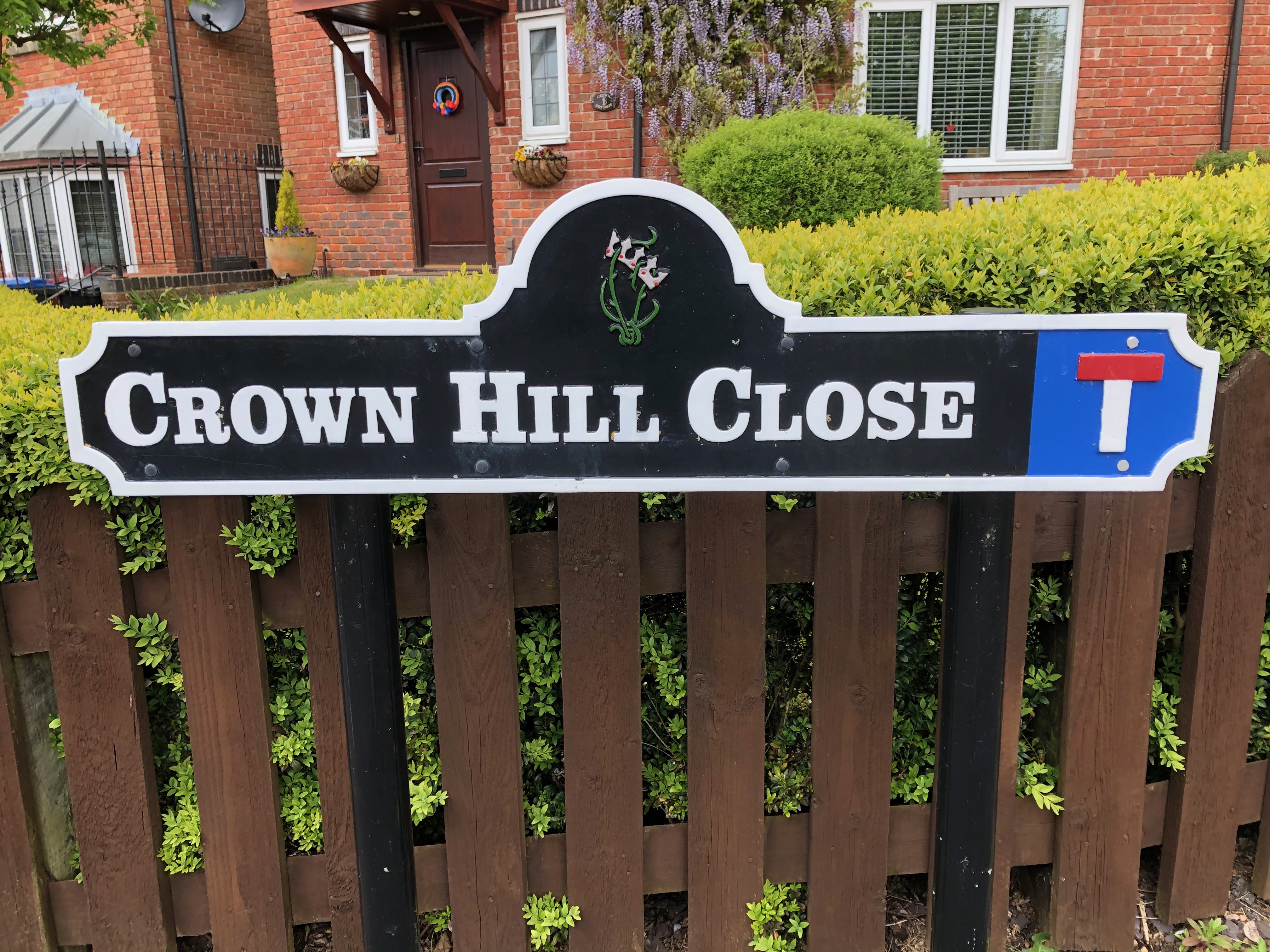
As you enter the village, the road signs proclaim it as “The Birthplace of the Tudor Dynasty”. In 1485, following Henry Tudor’s victory over Richard III, witnessed according to local stories by the villagers of Stoke who had climbed the tower of St Margaret’s church, the new king made his way to a field on the edge of the village to be greeted by Lord Stanley whose brother, Sir William Stanley, had turned the tide of battle in Henry’s favour. Here, Richard’s coronet was placed on Henry’s head and a new age in English history had begun. The field became known as Crown Hill Field within a hundred years of the battle.
During the 19th and early 20thcenturies, the village was self-supportive with a number of small hosiery factories and a range of shops. Goods produced in the village could be sent onwards either on the Ashby Canal or from the railways station on the Ashby and Nuneaton Joint Railway which had a station at the edge of the village. During the Cold War, a nuclear bunker was constructed in land to the south of the village next to an old RAF observation tower.
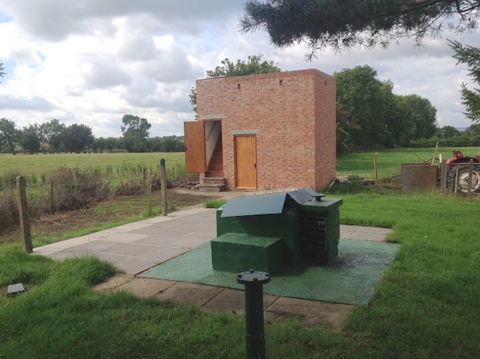
and entrance to nuclear shelter
St Margaret’s Church
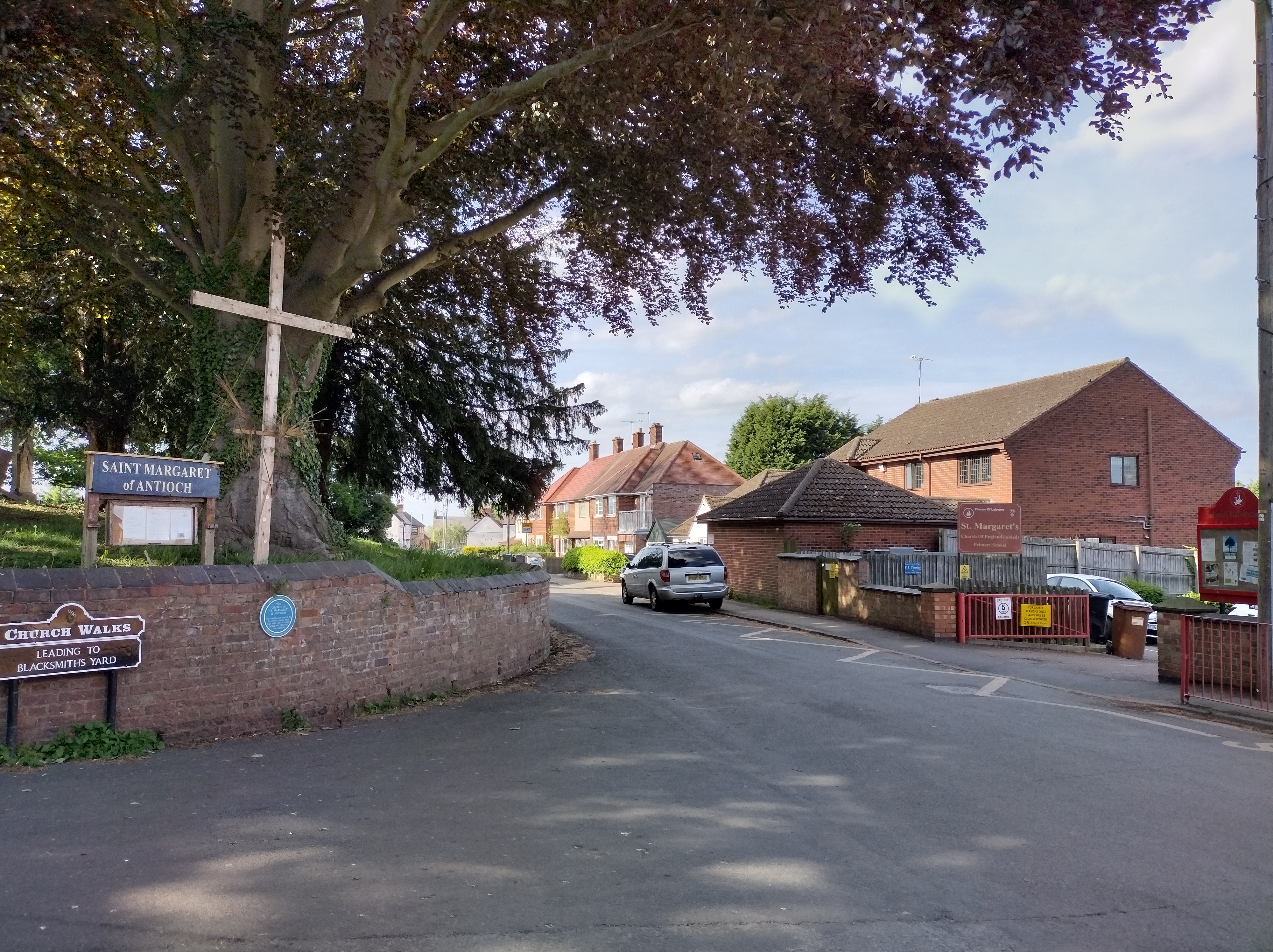
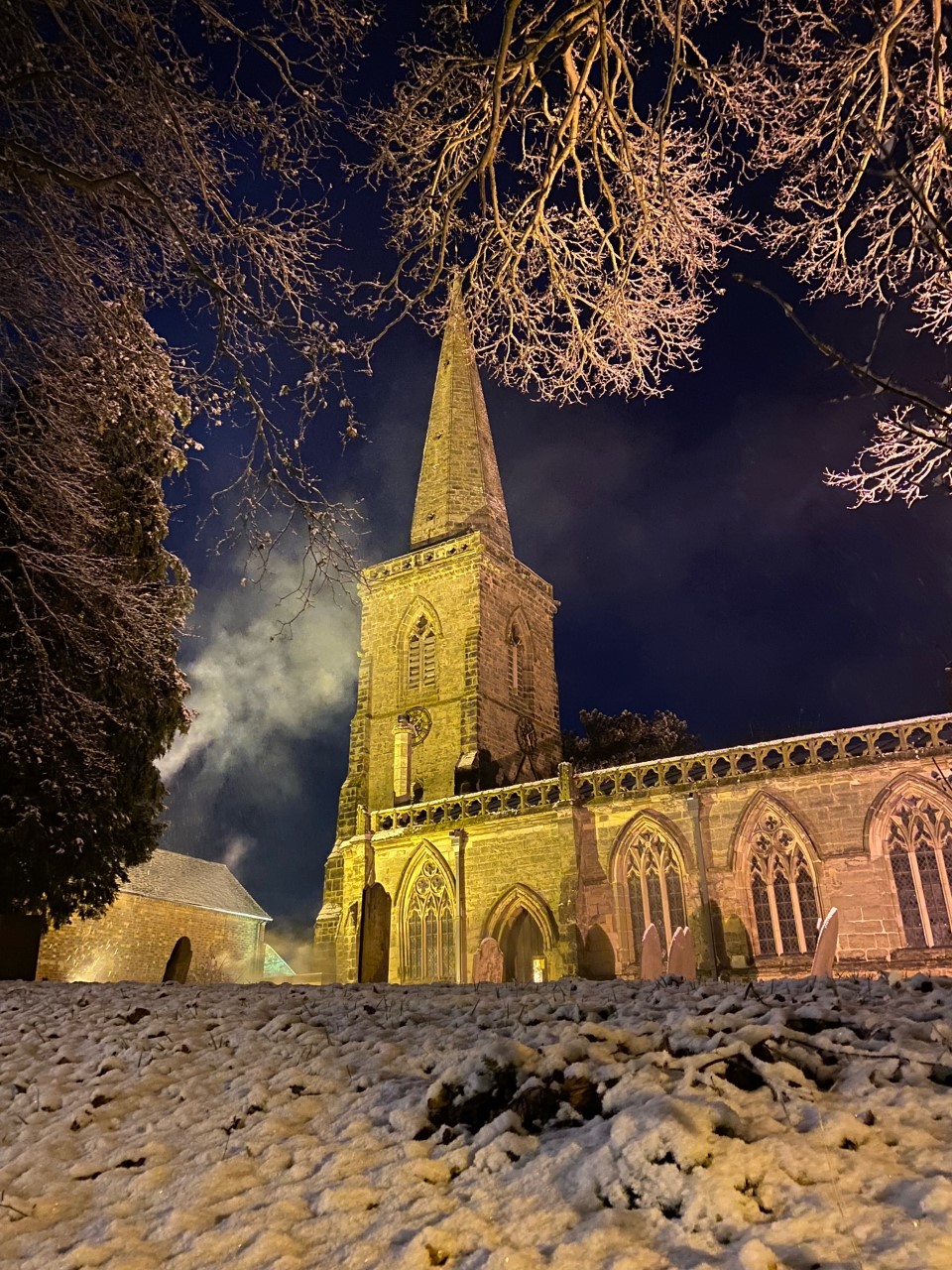
St Margaret’s Church,13th Century and Grade 1 Listed was described by Sir Nikolaus Pevsner as “One of the most beautiful churches in Leicestershire’. The spire, tower, south aisle and Lady Chapel were all added between 1290 and 1340, the tower decorated with head of the king at that time, Edward III, and his Queen Philippa. The arcade between the Nave and South Aisle was treated with the ‘lavishness worthy of a cathedral’ (Pevsner) with glorious carving. The details of the Church are blissfully unrestored.
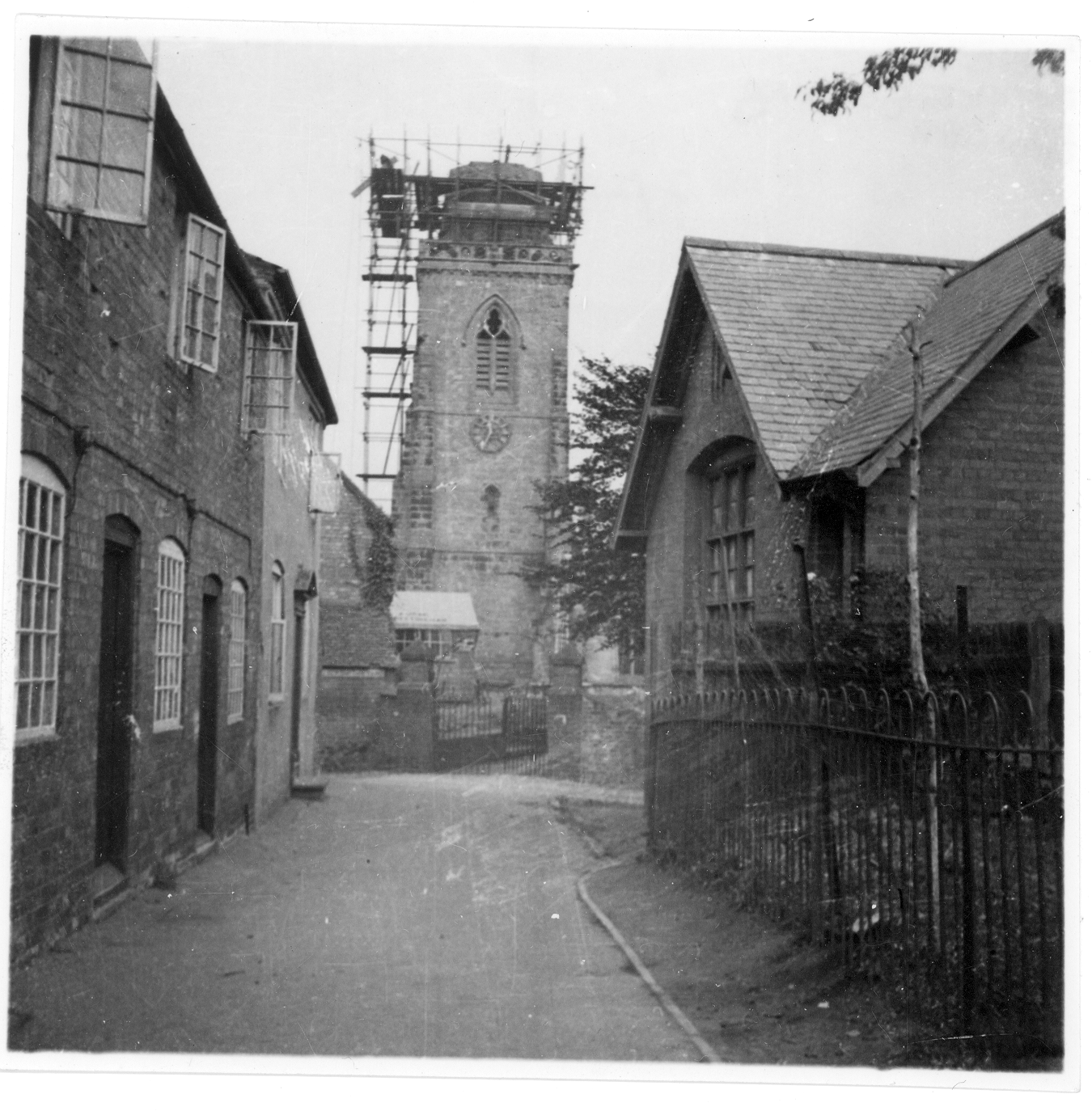
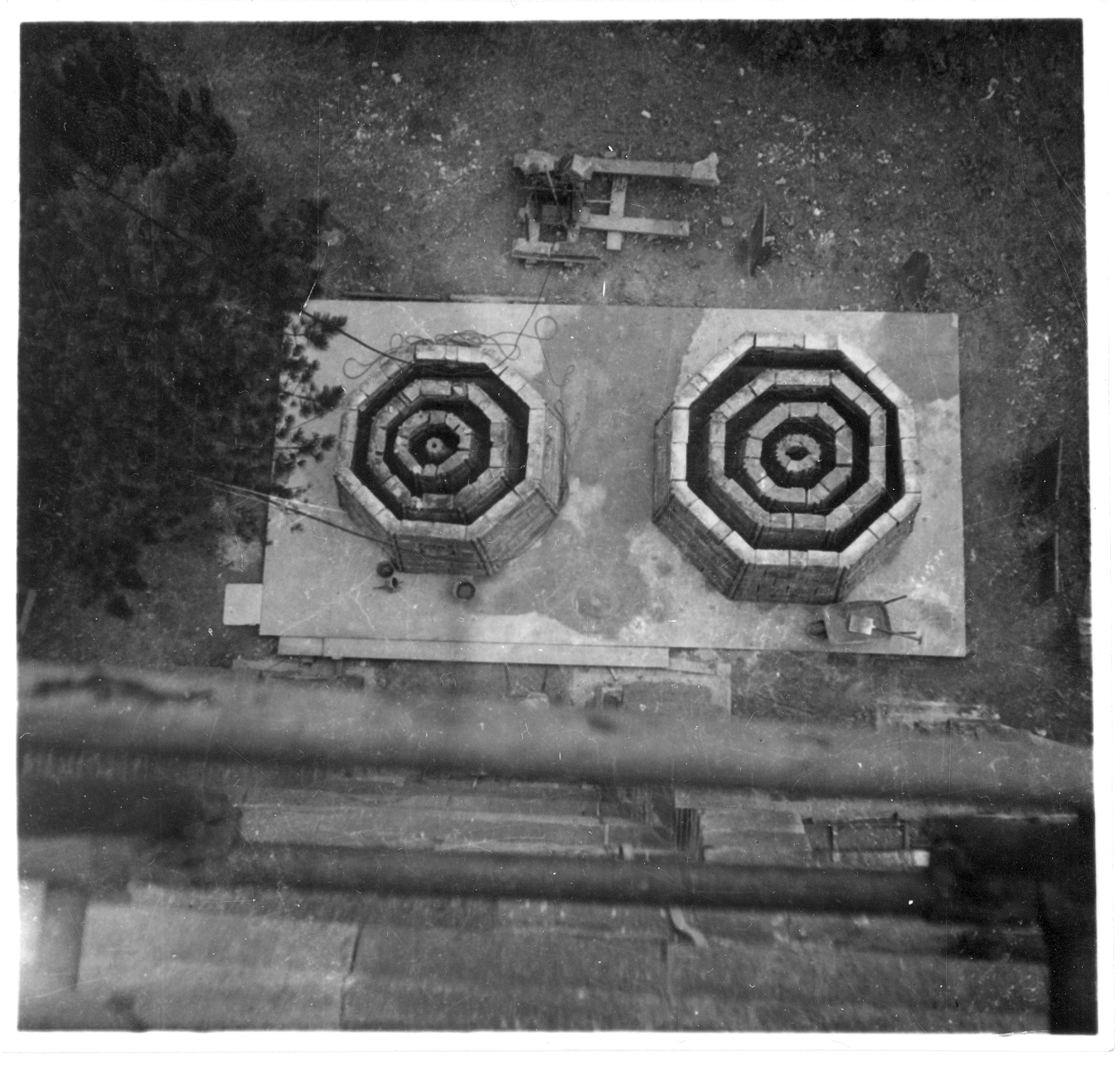
The spire is very much a local landmark, illuminated at night, but during World War II it had to be removed due to its proximity to the flightpath of planes landing at RAF Lindley. It was re-erected in 1947.
Inside the church is an ancient chest, dated 1636 although probably older, the original 1330 font, and a memorial to Sir Henry Firebrace, a courtier and companion of Charles I, who is buried in the church.
There are plans to erect in the Church yard a sculpture depicting the crowning of Henry Tudor after the Battle of Bosworth and this is part of the Bosworth 1485 Sculpture Trail.
 The Fenn Lanes Benefice - Leicestershire
You must be logged in to post a comment.